

Blog
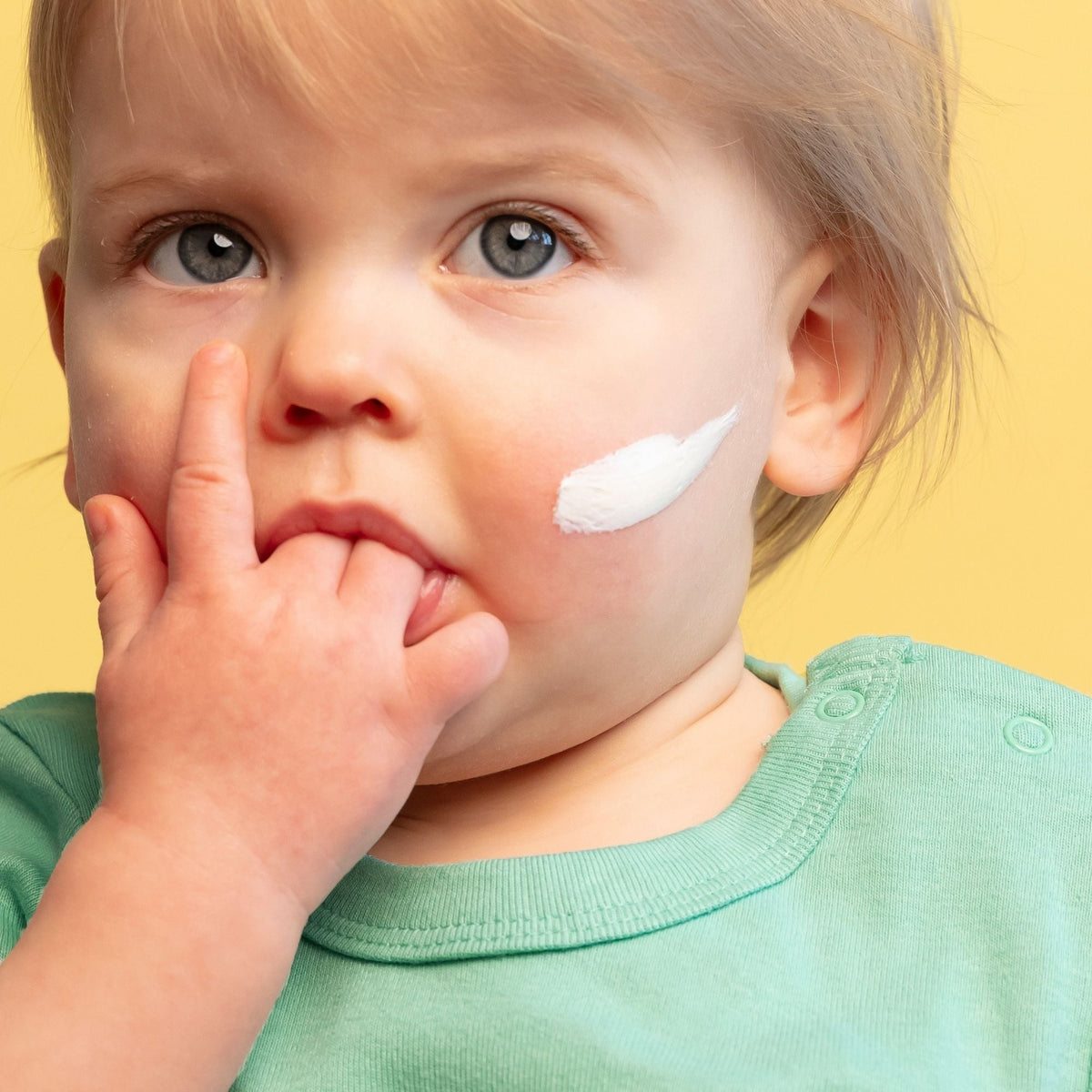

When do you actually need to apply sunscreen?
Now that the sun is showing itself more and more often, it's time to reach for the sunscreen. Because we love the sun, but we don't want to get burned! But from when is it really necessary to apply sunscreen? Spoiler alert: not just when the temperature rises above 20 degrees. For our sunscreen advice, we look at the UV index. We'll tell you more about it. The power of the sun The UV index indicates the strength of the sun. In this index, sun strength is indicated on a scale of 0 to 15. At an index of 0-2 we speak of virtually no sun strength, 3-4 weak sun strength, 5-6 moderate, 7-8 strong and 8+ very strong. In the Netherlands, the strength of the sun is generally 0 to 8. In high-altitude places or countries close to the equator, the index can reach 15. Although you might think that the UV index is higher on a warm day, that doesn't have to be the case at all. Sun strength is determined not by temperature, but by the position of the sun. The higher the sun is in the sky, the higher the UV index. The amount of UV radiation is affected by clouds, dust or moisture in the atmosphere. At what UV index do you get burned? The higher the UV index, the faster you burn. For example, at a UV index between 6-8, you can burn within a quarter hour if you have sensitive or light skin. The danger here is that your skin doesn't turn red immediately. This is sometimes only visible after a few hours. If you see your skin turning red, the burn has actually been happening for a while. Even at a lower UV index, burning is a risk. For example, at a UV index of 3, depending on your skin type, you can burn within half an hour. At what UV index should you apply sunscreen? At a UV index of 3 you can already get a sunburn, pretty shocking right? That's why it's recommended to apply sunscreen at least from UV index 3 onwards. In the Netherlands this is roughly from April to October. But, now that the sun is showing itself earlier, it doesn't hurt to apply sunscreen on a sunny day in February or March. In any case a good idea to always use a day cream with spf, your skin only gets more beautiful from it. Reapply every two hours, preferably with a sunscreen with at least SPF30.
Learn more
Sunscreen shelf-life: can you safely use last year's sunscreen?
There she is again: the sun! You, and many others, probably still have some left over sunscreen from last year in your cupboard. But, is it still safe to use or did it expire by now? Read more to find out when it’s time to buy new sunscreen. Expiration Sunscreen creams, sprays and sticks all come with an expiration date. Just as with your food, this date is usually on the pack of the product. Usually the shelf life of sunscreen is indicated with 12M. Which means it’s safe to use the product up until 12 months after opening. Note: the product needs to be well-closed and stored in a dry and dark place at room temperature! Keep in mind that if your sunscreen got very warm, the SPF might have gotten lower. Naïf sun protection has (when closed) a shelf life of 36 months, when opened you can safely use it for 12 months. Does this mean you need to throw out your sunscreen after a year? Not necessary, but it is important to note that you’re not as well protected. Make sure that, when using an ‘older’ sunscreen, you apply it more often, because the SPF is not as good. The same applies to after sun: 36 months closed, 12 months when opened. But, with after sun, it is important to buy a new product after a year, because an open tube or bottle can contain bacteria and you’d rather not put those on the already sensitive or red skin. In doubt? Take a sniff Not sure if your sunscreen is still good to go? Just smell it! Does it smell differently than when you first used it, you might want to stay away from it. You can also check of the product still looks good. Watery or lumpy? Better get rid of it and get a new one. Storing sunscreen Make sure to keep your sunscreen in a cool place. The bathroom might be your first thought, but keep in mind that the bathroom has a lot of temperature changes, so it’s not ideal. Rather go for a drawer in your bedroom or a closed cupboard. Some might think the perfect spot is the refrigerator, and it’s definitely an option, but not necessary!
Learn more
Make sunscreen a habit? Best decision ever.
Sunscreen on, hat on, UV clothing on – and every day as soon as it gets brighter outside? Sounds like just another item on your already full to-do list, right? But what if you could not only save the day, but give your child something that protects them for life? Children learn through repetition – including sun protectionYou know it yourself: nothing works better with small children than repetition. Whether it's a bedtime routine or brushing teeth – routines provide security. It's the same with sun protection. If your child experiences from the start that applying cream, wearing a UV shirt and putting on a sun hat are just part of the routine, it will eventually become second nature.And later, it will remind you when you're in a hurry. Promise.Why sun protection is more than a summer topicThe skin of babies and small children is particularly sensitive. It can't protect itself yet, but it stores every sunburn – and that has long-term effects. That's why it's worth building a healthy attitude toward skin protection early on.Or in other words: What is routine today becomes a healthy habit tomorrow.How to build simple routinesDon't worry, you don't have to turn your daily life upside down. A few simple tricks are enough: Apply sunscreen after brushing teeth – as naturally as part of your morning routine. At the lake or on vacation: UV protective clothing instead of stress – saves you the daily argument about "forgot to apply sunscreen" and protects reliably. The sun hat is always ready – in the backpack, in the stroller, by the door. Lead by example! – When your child sees you applying sunscreen, they usually want to too. And that's great. From participation to understandingSooner or later, your child will ask: Why do we actually do this? That's your chance. Explain in kid-friendly terms that the sun is nice but strong. That our skin needs protection to stay healthy. And that applying sunscreen isn't a must – it's an act of self-care.You're helping your child take not just their skin, but themselves seriously.So: what sometimes feels like extra effort today pays off twice over: for healthy skin and strong routines. You're laying the foundation for your child to later take care of themselves confidently and independently – with ease and understanding.Naïf supports you with gentle mineral-based (sun protection) products that make applying sunscreen pleasant – for your child and for you.Good protection. Good feeling. Every day.
Learn more
Which comes first? Sunscreen or Day Cream?
Once the sun starts shining it's time for some extra sun protection. Many day creams contain SPF, but when the sun is strong, it's not good enough and sunscreen is neccessary. But how does that work; sunscreen vs. day cream? Which one are you supposed to apply first during your morning routine? We've got the answer your looking for! The type of sunscreen your use has an effect on to steps in your morning routineAre you using sunscreen with a mineral or a non-mineral UV filter? The answer to this question changes the outcome of the question which one you need to apply first: day cream or sunscreen. A mineral filter is made of minerals, like zinc oxide or titanium dioxide. This kind of UV filter reflects the sun like a mirror and protects the skin against UVA and UVB radiation. After applying sunscreen with a mineral filter you're immediately protected, but it can leave a bit of white cast on the skin.A non-mineral filter works differently. It gets absorbed by the skin where a chemical reaction takes place that absorbs UV radiation. Because this kind of UV filter gets absorbed by the skin there's a bigger chance of irritation. Not what we like to see on the sensitive skin of babies.Which one comes first?Alright, so as we said it depends on the UV filter in your sunscreen.With a mineral filter your day cream comes first. Why? You want your day cream to get absorbed by the skin, so all those great and moisturizing ingredients can do their job. Apply your day cream and give it some time before you apply sunscreen. Sunscreen with a non-mineral filter should be applied before your day cream. It only works when it comes in contact with the skin directly. You don't want the extra layer of the day cream in between!What about make up?Don't mix your foundation with sunscreen. It sounds like a great idea. And easy, which we like! But unfortunately foundation will mess of the SPF of your sunscreen, which means it doesn't work as well as you want it to. Better to avoid it and just apply the two seperately.Conclusion: apply your sunscreen under your make up, but over your day cream, No mixing and give your day cream some time to do its magic. And now it's time for some fun in the sun!
Learn more
What is the difference between SPF 30 and SPF 50? And which factor do you need?
When choosing your sun protection, you're probably looking at the SPF (or factor) on the packaging. You might think: the higher the better, right? And we all know that SPF 50 is higher than SPF 30 or SPF 15. But what does that number actually mean? And which factor do you and your mini('s) need to be well protected on the go? No worries, we'll explain it to you! What is SPF?What does SPF actually mean? SPF stands for Sun Protector Factor. It is literally the factor that indicates how well you are protected. A sunscreen protects the skin against a large portion of UV radiation, but a small amount of UV radiation will always pass through. With an SPF 30, 96.6% of UVB radiation is blocked and with an SPF 50 even 98%. But what does this have to do with burning? With an SPF 30 that is applied correctly (sufficient amount and every two hours), your skin will burn 30 times less often than without protection. And with an SPF 50 that is (as you might guess) 50 times less. The effect of an SPF is thus also dependent on how your skin reacts without sunscreen.UVA and UVBThere are two types of UV radiation: UVA and UVB. SPF protects against UVB, this radiation causes you to burn. But it is just as important to protect yourself well against UVA - the radiation that accelerates the skin aging process. No burning, but skin damage. Fortunately, there is sunscreen that protects against both UVA and UVB, so always look for that!Need a memory aid for the difference between UVA and UVB? UVA rays cause skin aging: the A for Aging. UVB rays cause sunburn: the B for Burning. Now you'll never forget it!Which factor do you need?Good to know is that no sunscreen offers 100% protection against the sun. For adults, the Dutch Skin Foundation recommends using at least factor 30 on a summer day and reapplying every 2 hours. Sunscreen with a UV filter based on zinc oxide (mineral) creates a small layer on the skin that reflects UV radiation. Over time, this layer is damaged by friction, sweat and swimming. It is therefore important to reapply protection regularly, even with a water-resistant sunscreen.For babies* and children, the advice is to use factor 30 or 50. Depending on your mini's skin type. In addition, the Dutch Skin Foundation recommends not only using sunscreen but also avoiding, clothing and applying. So keep your kids in the shade as much as possible and wear covering (or UV-protective!) clothing and put on a hat or cap.*For babies up to 12 months, the advice is to keep them out of the sun as much as possible.
Learn more
Baby sunburns: how to treat and prevent them
The sunny months are a great time for babies and toddlers. During outdoor activities, time is forgotten and everyone enjoys the sunshine. It sometimes happens that children get a sunburn, even when you've been careful with sun protection. Find out here how dangerous sunburn really is for your baby and what you can do to relieve the symptoms and prevent sunburn in the future. 1. How dangerous is sunburn for babies?Every time your little one gets a sunburn, it can impact their health, as deep layers of the skin are damaged. This is especially a concern if sunburns happen more often. If your baby has light skin, there is a higher risk of getting a sunburn.For babies, sunburn can cause a lot of pain and discomfort and even cause a fever. Every sunburn increases the risk of skin cancer. This might sound alarming and scary at first. But there's lots you can do if your baby gets sunburned, and things you can do to prevent it in the first place.2. What to do if your baby has a sunburnIf your baby gets sunburnt despite all the protective measures you've taken, this is how you can help: Cover the affected part of the body with a cold cloth. Apply cold compresses with camomile tea Shower/bathe with lukewarm water Use a mild moisturiser without fragrances Give your little one plenty of fluids to drink Use cooling aloe vera products, like our aftersun gel or spray (keep the product in the fridge beforehand for an even better effect). 3. How can I prevent that my baby gets sunburnt?Once the sunburn is over, the next step is to prevent the next sunburn. To do this, you can do the following: Dress your little one in long, loose clothing made of tightly woven fabrics (e.g. cotton) that has a UV protection factor Use a hat with neck protection and visor Sunglasses with UV protection Apply mineral sunscreen. Apply this about half an hour before you go outside with your baby and reapply every two hours, and after each water session Stay in the shade as much as possible 4. Sun protection by NaïfSo that you and your little one can enjoy the summer to the fullest, we've developed sun protection that combine protection against UV rays, sustainability and skin compatibility. Our sunscreen for babies and kids has SPF50 and contains a zinc oxide based UV filter. Its water resistance makes it the perfect companion for the summer months. After a long day outdoors, your baby's skin will be grateful for the After Sun Gel, which gently cools the skin with natural aloe vera juice. It has a soothing effect on the skin, moisturises and doesn't dry out the skin thanks to the vegetable glycerine.5. ConclusionThe danger of sunburn in babies should not be underestimated. Sunburn is unpleasant for babies and can be a health risk. It's good to know that you can do something about it. Cold camomile tea compresses, cooling ointments and aloe vera gently care for the baby's burnt skin. With the right clothes, playing in the shade and a fashionable sunhat, you can easily protect your mini from sunburn. And once you've found the right sunscreen for you and your mini, voila: you can go out and enjoy the sunny days.
Learn more
How do you protect your skin against harmful sun rays? We asked dermatologist Elodie Mendels what to pay attention to.
To prevent sunburn, it's important to protect yourself well. Shade, sleeves, sunscreen. We asked dermatologist Elodie Mendels how best to prevent your skin from burning in the sun and what to pay attention to. Here are some great tips so you can go out well protected this summer. First of all, who is Elodie? Elodie Mendels is a dedicated academic pediatric dermatologist at the Erasmus MC-Sophia Children's Hospital. This means she helps children and their parents/caregivers with the treatment and management of various skin conditions. In addition to her work in practice, she also enjoys and finds it important to inform people through other channels with tips, tricks and solutions for skin problems. Earlier we talked about sunburn and how to prevent it. You mentioned avoid, cover and apply. How exactly do you do that? "How you do it exactly depends on each child, but the most important rules are: apply half an hour beforehand, so the sunscreen can dry well and a protective layer forms. Then repeat it every two hours. Every child is different, but generally they're more likely to go along with it if you involve them in the routine. Let them play with the stick or tube, for example, or apply it to each other. It's important to make sunscreen application really part of the daily routine." "Also apply well under clothing, especially under thin rompers or clothing made of thin, loosely woven and light fabrics. With normal, tightly woven clothing this is not necessarily necessary, but then it is important that you apply well under the edges of the clothing. This is one of the most forgotten spots, along with: the tip of the nose, the chin, around the eyes, the edges of the ears and the lips. So don't forget these spots either!" "You'd better avoid sunscreen spray for children. By that I mean a spray that mists in the air like perfume. These don't provide good protection because it disperses and little reaches the skin. It can also be dangerous to inhale the spray. Of course you can use a lotion-like spray that you spray on the skin and spread yourself." What often goes wrong when protecting babies and kids from the sun? "There are a few things that are often found difficult or forgotten during application. It can be difficult to integrate sunscreen application into the daily routine and apply it in time before we go out in the sun. Also, it's not always repeated every two hours or after swimming, while it's really important to repeat it. Sunscreen is wiped off quickly. Really don't forget to apply those spots I mentioned earlier! Apply a thick layer too, because a thin layer has much less effect. And finally, between 12 and 3 o'clock it's best to stay out of direct sunlight, although this can sometimes be a challenge. It's important to keep babies up to 1 year old always out of the sun." How thick should you apply then exactly? "People often think that with SPF30 you can stay in the sun about thirty times longer without burning. That's not quite how it works. The effectiveness of sunscreen SPF is determined in a laboratory. A specific amount of cream is used to test this. In practice, you never apply your sunscreen as thickly as in lab tests. How thick you should apply exactly is always difficult to explain. There are lots of tips, for example how many teaspoons you should use on which body part, but in the end no one really measures it that way. I used to say: apply as thick as a peanut butter sandwich, but everyone spreads a sandwich differently, so that advice doesn't really help either. It just comes down to applying it nice and thick and definitely not too thin. And repeat it every two hours and after swimming, then you should be good to go." Don't you clog the skin when you apply such a thick layer of sunscreen? "You can't clog the skin, you're just putting a layer on top. However, sunscreen residue can end up in your pores, causing inflammation and for example a pimple. If you're prone to that, buy a sunscreen that's a bit less oily. There are also anti-acne sunscreens." "In principle, you can wash most sunscreens off with water in the shower or bath. You can also use a facial cleanser or makeup remover. If you can't get your sunscreen off completely, you can also use baby oil." Does it matter what kind of sunscreen you use? "The most important thing is that you use sun protection that you like to apply. If you like applying something, you're much more likely to use it often and well." "There are two different types of filters in sunscreen: mineral and chemical*. A mineral sunscreen has a UV filter made from a natural product, such as zinc, but it's still processed with a chemical process in the laboratory. Chemical UV filters are made in a laboratory. Some people prefer not to use chemical filters anymore, because there used to be a number of UV filters that turned out to be harmful, like oxybenzone. Those have long been banned in the EU and the fear of chemical filters is unfounded. Both mineral and non-mineral filters remain on the skin, only mineral molecules are much larger, which is why mineral sunscreen is often slightly thicker. Sometimes the molecules are made smaller into nano-particles so no white haze remains and the cream spreads better**." "Whether you use mineral or chemical filters doesn't matter, the most important thing is that you feel comfortable with what you apply. In the Netherlands you need at least SPF30, but SPF50 is even better. Especially because people often don't apply thick enough. Also choose a sunscreen with UVB and UVA filter. For young children, preferably use sunscreen without fragrance, they really don't need that." "Water-resistant sunscreen stays a bit better in place because components are added that make it stick better to the skin. But it's definitely not waterproof. That's why it's important to reapply after swimming or sweating." "In short: apply a cream you like, minimum SPF30 and with UVA and UVB protection." *At Naïf we prefer to call this non-mineral, why exactly you can read here. **At Naïf we don't make the molecules smaller into nano-particles. That makes our sunscreen non-nano. How it works exactly with nano and non-nano sunscreen you can read here.
Learn more
Mineral sunscreen with a non-mineral booster, how does that work?
At Naïf we believe that mineral sunscreen is the best option for the sensitive skin of babies. If you've been paying attention, you've seen that we've also added a non-mineral booster to our 2024 sunscreen formula. Yet we still talk about mineral sunscreen. Read here exactly how that works. Every year we try to improve ourselves and our products, so that we have less negative impact and our products become even nicer to use. Mineral sunscreen is quite a challenge, it often leaves a white haze and can be difficult to apply. In our sunscreen formula this year we've added bis-Ethylhexyloxyphenol Methoxyphenyl Triazine (BEMT) as a booster. Why we did this, you could read earlier in this blog about our updated formula. BEMT is a new generation UV filter, made in the lab, and therefore non-mineral. Mineral sunscreen As the first Dutch mineral sunscreen brand, we've had to figure out a lot ourselves. It's not always easy, but it's worth it. Where our sunscreen once started as a kind of white clay, we now have a fine product that spreads well and protects well! Every year we work on our formula, to make sure it keeps getting better. This year means that in addition to our previous booster based on pongamia seeds, we've added a second booster to improve the spreadability and effectiveness of our formula. Bis-Ethylhexyloxyphenol Methoxyphenyl Triazine (BEMT) is, as mentioned before, a non-mineral UV filter. Yet we still talk about mineral sunscreen. Why? Because the basis of our UV filter (and therefore our sunscreen) is still mineral, namely zinc oxide. What's more: the sunscreen contains more than eight times more zinc oxide (25%) than BEMT (3%). And so the basis of our UV filter remains zinc oxide and we still speak of a mineral sunscreen. Why BEMT? There are few options if you want to improve mineral sunscreen to guarantee consistent high protection (even if the sunscreen, for example, hasn't been shaken well before use). You always need boosters for that. Besides BEMT, another option is butyloctyl salicylate. However, we believe that this ingredient should not be used by pregnant women, because there are studies that suggest this substance can have negative effects on pregnancy duration and birth weight. And that's why we don't want to add it as a booster. No negative effects are known for Bis-Ethylhexyloxyphenol Methoxyphenyl Triazine on skin and the planet. We therefore think there is a future in this new generation of non-mineral UV filter as an addition to mineral sunscreen. This hybrid form of sun protection, where the basis is mineral and there is a supporting role for non-mineral UV filters, is already widely used in other countries such as the United States, but is still relatively unknown in Europe. As pioneers on the Dutch market, we're always looking for new innovations to provide the best possible protection. Transparency And we're not sneaky about it at all. We're proud of our product and think it's important that you as a consumer know exactly what you're putting on your skin. That's why we always communicate clearly about changes in our blogs and on our product pages. Is it still not entirely clear to you, or do you have other questions? Please let us know, so we can improve ourselves (in addition to our sunscreen)!
Learn more
The science behind our sunscreen: zinc oxide explained
It will come as no surprise to you that our sunscreen contains a UV filter based on zinc oxide. This makes it a mineral sunscreen. We made the choice for zinc oxide very deliberately, because zinc oxide has many advantages! We therefore believe that sunscreen with a UV filter based on zinc oxide is the best option and we would like to explain to you why. First of all, mineral sunscreen then. But what about the non-mineral UV filter that we added to our formula this year as a booster? We believe in constantly innovating our products. As the first Dutch brand with mineral sunscreen, we take steps every year to develop the ideal sunscreen. This year we added this booster. It is important to know that our product contains roughly eight times more zinc oxide than Bis-ethylhexyloxyphenol methoxyphenyl triazine. Therefore, we can confidently say that zinc oxide is the main component of our UV filter. Do you want to know why we added this booster? You can read that here. We would also like to explain to you why we now believe in a non-mineral UV filter after all (and why we no longer talk about mineral vs chemical).In the field of sunscreen, we believe that zinc oxide is the best choice. Is it perfect? No, but we do think it is the least harmful. We are happy to explain why. It is a somewhat technical story, so bear with us.We consider zinc oxide the safest option because it breaks down into Zn2+ ions, which occur naturally in the sea. Is it completely safe? Well, everything we do has an impact, but we always strive for the least harmful option. Some studies have shown possible negative effects of zinc oxide on coral, algae and fish. But these studies suggest that the observed effects are more related to a local increase in the concentration of zinc ions than to the presence of zinc oxide itself.It is important to note that most studies use concentrations of zinc oxide that are much higher than what realistically could end up in the ocean. Real and realistic effects of zinc oxide on the environment, as well as exposure and risk matrices, have been extensively investigated. Even if we all start using zinc oxide and the concentration of zinc ions in the water naturally increases as a result, zinc oxide in sunscreen creams does not pose a threat to sea life. Our research suggests that it is still less harmful than the use of some other UV filters.Why we think zinc oxide is the best option:Zinc is a natural element with a complex cycle. It is present in soils and water, and the concentration varies naturally through natural events, the local ecosystem, interactions with other chemicals and physical parameters such as pH. Of course, human activities also influence the distribution of zinc on earth. Although we don't create zinc, we actively mine it and make it more available in our environment. Various industries use zinc or zinc-derived materials, such as mining, automotive industry, paint, cosmetics and pharmaceuticals. In 2023, cosmetics and pharmaceuticals represented approximately 10-12% of the global zinc oxide market. Zinc oxide is just one of the industrially used zinc sources. The impact of sunscreen creams on total human zinc use is relatively small, but we take this seriously and thoroughly investigate the potential risks of our sunscreen to the ecosystem.Various studies report an increase in zinc content in local waters and soils, with human activities seeming to play a role. Some analyses can show that part of the zinc increase in specific locations can be traced back to mining activities since the beginning of the industrial revolution, with virtually no impact from current activities. Zinc plays an important role in the physiological processes of most species, including humans.In investigating the role of zinc oxide and sunscreen creams, some studies have shown possible negative effects of zinc oxide on coral, algae and fish. These studies suggest that observed effects are more likely attributable to a local increase in the concentration of zinc ions as a result of zinc oxide breakdown in water, than to the presence of zinc oxide itself. From our literature review, we found that zinc oxide can have an impact on sea life, especially on species that are already sensitive to zinc. The form of the sunscreen (nano or non-nano zinc oxide) does not appear to affect these species more than other forms. The contribution to the local increase of zinc in soil and water is likely negligible compared to other industries, both in the past and now.Notably, many more studies have been conducted on the environmental effects of mineral sunscreens (75%) than non-mineral (25%), which may exaggerate negative conclusions about these filters. To get a complete and clear picture, it is important to also investigate other UV filters and their impact on the ecosystem.There are few UV filters active in the UVA1-range. Protection against UVA1 radiation is important because it contributes the most to long-term sun damage to the skin, including skin cancer. Therefore, sunscreens must contain some UVA1 filters to provide broad-spectrum protection, including: Avobenzone (Butyl Methoxydibenzoylmethane) Ecamsule (Terephthalylidene dicamphor sulfonic acid) – unique to L'Oréal due to patents Oxybenzone Octocrylene Zinc oxide BEMT (Bis-ethylhexyloxyphenol methoxyphenyl triazine) – new generation filter MBBT (Methylene bis-benzotriazolyl tetramethylbutylphenol) - new generation filter DHHB (Diethylamino hydroxybenzoyl hexyl benzoate) – new generation filter Each filter has its own specifications in terms of formulation and permitted maximum amount, which affects how many filters need to be added together to achieve the desired protection. Until now, only zinc oxide could be added alone as a broad-spectrum UV filter.AvobenzoneAvobenzone, or Butyl Methoxydibenzoylmethane, is the most common UVA1 filter in non-mineral sunscreens. Some studies show that this filter affects specific marine species and may have hormone-disrupting effects. A risk of avobenzone is its photo instability, which means it must be associated with other compounds to be stable, which can cause skin reactions. It is a synthetic molecule that bioaccumulates in the environment, meaning the concentration increases and is difficult to remove in our water treatment facilities. EWG reported that this ingredient was in the FDA's 2019 proposal to not list it as safe and effective due to existing results and lack of strong data.OxybenzoneOxybenzone, also known as benzophenone-3, is extensively studied for its role in coral bleaching and risk to some marine species. Therefore, since 2021, it has been included in Hawaii's ban to protect their coral reefs. It is also a synthetic molecule that bioaccumulates and is difficult to remove from our wastewater. It also has health issues, with it suspected of being a hormone disruptor. However, it is important to note that it has been assessed by the SCCS and declared safe within the conditions of use in sunscreen.OctocryleneOctocrylene is recently being investigated for an extension of the Hawaii ban. Some studies report accumulation and potential hormone-disrupting effects on some marine species. Recently, the SCCS published their opinion on octocrylene for human consumption and concluded that it is safe at the concentration in sunscreen, as the findings were not convincing enough.From our research into BEMT and DHHB, no health or environmental risks have been reported with use of this filter.BEMTOur literature review of BEMT showed no reported health or environmental risks with the use of this filter. It is a stable filter and remains on the skin due to its size, minimizing the risk of skin irritation. On its own it can already provide an SPF20 at maximum use, making it a suitable booster for other UVA filter protection. It is also expected to be approved by the FDA in 2025, which is known for its strict guidelines for accepting new UV filters, making BEMT the first new UV filter to be approved in the US in more than 20 years.From our initial screening of MBBT and DHHB, no reported health or environmental risks have emerged with the use of these filters. So far we have not conducted an in-depth investigation of MBBT and DHHB, but they are on our radar to determine our position on these two new filters. Our conclusionAfter carefully reviewing various options, we have had to make some compromises. Because protection against UVA1 is important, at least one of the UVA1 filters must be included in the formula. Based on our current knowledge and with an eye toward environmental and human safety, we have chosen not to use avobenzone, octocrylene and oxybenzone in our sunscreens. We have focused on zinc oxide as our best option.New generation filters such as BEMT and DHHB offer possibilities for hybrid formulas based on zinc oxide. Unfortunately, they cannot be used on their own for UVA protection, and therefore must always be combined with another UV filter. In our case, zinc oxide is therefore the only option.We do believe in hybrid sunscreen formulas with these new generation UV filters, because they don't penetrate the skin and are therefore suitable for sensitive skin. Based on the studies so far, they also show no harmful effects for humans and the environment. Zinc oxide-based sunscreen always needs a booster. Bis-ethylhexyloxyphenol methoxyphenyl triazine is known for its high effectiveness at low concentrations, making it popular for high SPF levels. It is also praised for its excellent photostability and because it improves the stability of other sunscreen ingredients. And that stability is precisely what matters with mineral sunscreen.We especially believe that we must continue to evolve and act with the knowledge we have now. This means we don't think there is one perfect way, but we can do our best every year to make the best choices with the knowledge available by then. That's what good care means to us, and we will always communicate this as transparently as possible.
Learn more