

Blog
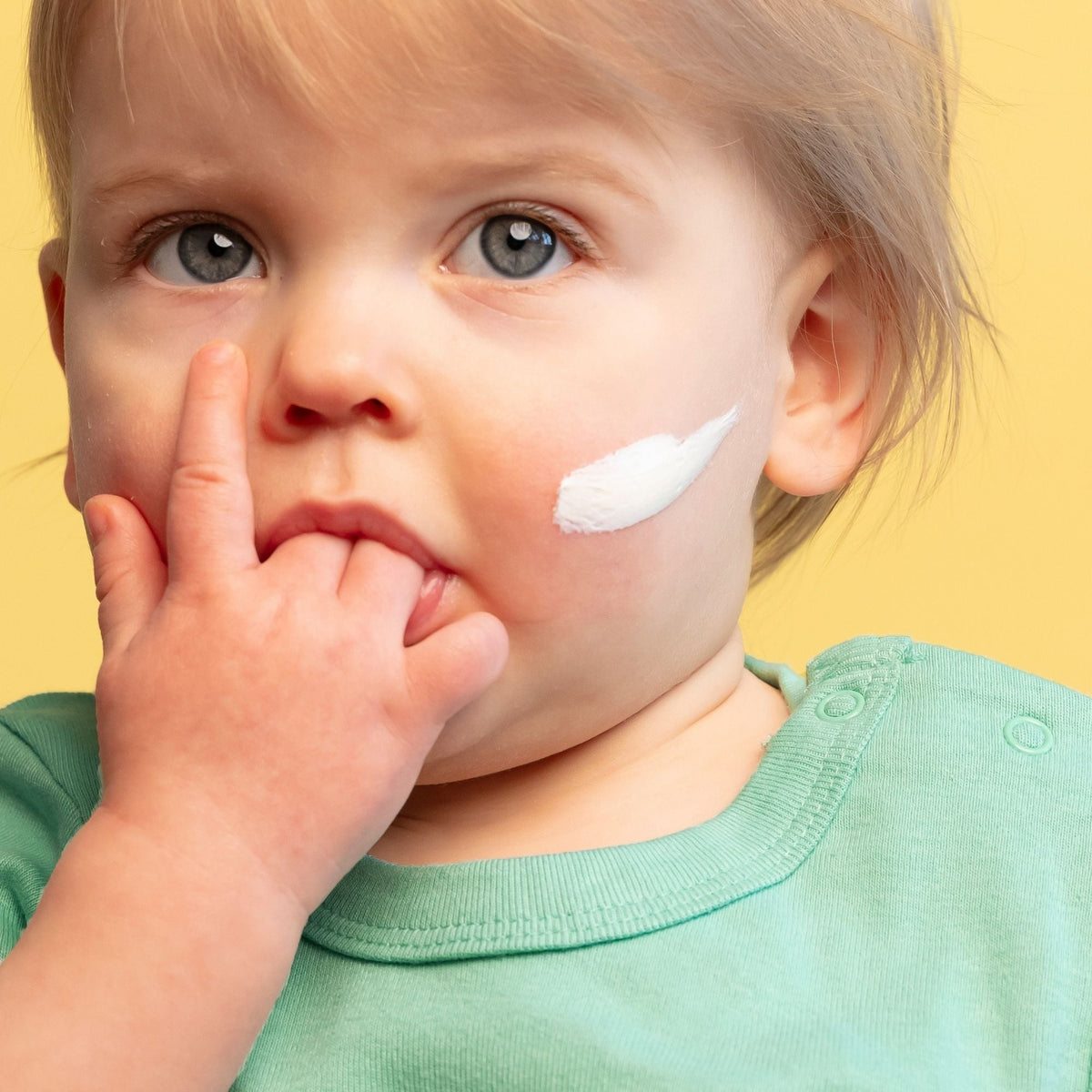

When do you actually need to apply sunscreen?
Now that the sun is showing itself more and more often, it's time to reach for the sunscreen. Because we love the sun, but we don't want to get burned! But from when is it really necessary to apply sunscreen? Spoiler alert: not just when the temperature rises above 20 degrees. For our sunscreen advice, we look at the UV index. We'll tell you more about it. The power of the sun The UV index indicates the strength of the sun. In this index, sun strength is indicated on a scale of 0 to 15. At an index of 0-2 we speak of virtually no sun strength, 3-4 weak sun strength, 5-6 moderate, 7-8 strong and 8+ very strong. In the Netherlands, the strength of the sun is generally 0 to 8. In high-altitude places or countries close to the equator, the index can reach 15. Although you might think that the UV index is higher on a warm day, that doesn't have to be the case at all. Sun strength is determined not by temperature, but by the position of the sun. The higher the sun is in the sky, the higher the UV index. The amount of UV radiation is affected by clouds, dust or moisture in the atmosphere. At what UV index do you get burned? The higher the UV index, the faster you burn. For example, at a UV index between 6-8, you can burn within a quarter hour if you have sensitive or light skin. The danger here is that your skin doesn't turn red immediately. This is sometimes only visible after a few hours. If you see your skin turning red, the burn has actually been happening for a while. Even at a lower UV index, burning is a risk. For example, at a UV index of 3, depending on your skin type, you can burn within half an hour. At what UV index should you apply sunscreen? At a UV index of 3 you can already get a sunburn, pretty shocking right? That's why it's recommended to apply sunscreen at least from UV index 3 onwards. In the Netherlands this is roughly from April to October. But, now that the sun is showing itself earlier, it doesn't hurt to apply sunscreen on a sunny day in February or March. In any case a good idea to always use a day cream with spf, your skin only gets more beautiful from it. Reapply every two hours, preferably with a sunscreen with at least SPF30.
Learn more
Sunscreen shelf-life: can you safely use last year's sunscreen?
There she is again: the sun! You, and many others, probably still have some left over sunscreen from last year in your cupboard. But, is it still safe to use or did it expire by now? Read more to find out when it’s time to buy new sunscreen. Expiration Sunscreen creams, sprays and sticks all come with an expiration date. Just as with your food, this date is usually on the pack of the product. Usually the shelf life of sunscreen is indicated with 12M. Which means it’s safe to use the product up until 12 months after opening. Note: the product needs to be well-closed and stored in a dry and dark place at room temperature! Keep in mind that if your sunscreen got very warm, the SPF might have gotten lower. Naïf sun protection has (when closed) a shelf life of 36 months, when opened you can safely use it for 12 months. Does this mean you need to throw out your sunscreen after a year? Not necessary, but it is important to note that you’re not as well protected. Make sure that, when using an ‘older’ sunscreen, you apply it more often, because the SPF is not as good. The same applies to after sun: 36 months closed, 12 months when opened. But, with after sun, it is important to buy a new product after a year, because an open tube or bottle can contain bacteria and you’d rather not put those on the already sensitive or red skin. In doubt? Take a sniff Not sure if your sunscreen is still good to go? Just smell it! Does it smell differently than when you first used it, you might want to stay away from it. You can also check of the product still looks good. Watery or lumpy? Better get rid of it and get a new one. Storing sunscreen Make sure to keep your sunscreen in a cool place. The bathroom might be your first thought, but keep in mind that the bathroom has a lot of temperature changes, so it’s not ideal. Rather go for a drawer in your bedroom or a closed cupboard. Some might think the perfect spot is the refrigerator, and it’s definitely an option, but not necessary!
Learn more
Make sunscreen a habit? Best decision ever.
Sunscreen on, hat on, UV clothing on – and every day as soon as it gets brighter outside? Sounds like just another item on your already full to-do list, right? But what if you could not only save the day, but give your child something that protects them for life? Children learn through repetition – including sun protectionYou know it yourself: nothing works better with small children than repetition. Whether it's a bedtime routine or brushing teeth – routines provide security. It's the same with sun protection. If your child experiences from the start that applying cream, wearing a UV shirt and putting on a sun hat are just part of the routine, it will eventually become second nature.And later, it will remind you when you're in a hurry. Promise.Why sun protection is more than a summer topicThe skin of babies and small children is particularly sensitive. It can't protect itself yet, but it stores every sunburn – and that has long-term effects. That's why it's worth building a healthy attitude toward skin protection early on.Or in other words: What is routine today becomes a healthy habit tomorrow.How to build simple routinesDon't worry, you don't have to turn your daily life upside down. A few simple tricks are enough: Apply sunscreen after brushing teeth – as naturally as part of your morning routine. At the lake or on vacation: UV protective clothing instead of stress – saves you the daily argument about "forgot to apply sunscreen" and protects reliably. The sun hat is always ready – in the backpack, in the stroller, by the door. Lead by example! – When your child sees you applying sunscreen, they usually want to too. And that's great. From participation to understandingSooner or later, your child will ask: Why do we actually do this? That's your chance. Explain in kid-friendly terms that the sun is nice but strong. That our skin needs protection to stay healthy. And that applying sunscreen isn't a must – it's an act of self-care.You're helping your child take not just their skin, but themselves seriously.So: what sometimes feels like extra effort today pays off twice over: for healthy skin and strong routines. You're laying the foundation for your child to later take care of themselves confidently and independently – with ease and understanding.Naïf supports you with gentle mineral-based (sun protection) products that make applying sunscreen pleasant – for your child and for you.Good protection. Good feeling. Every day.
Learn more
Which comes first? Sunscreen or Day Cream?
Once the sun starts shining it's time for some extra sun protection. Many day creams contain SPF, but when the sun is strong, it's not good enough and sunscreen is neccessary. But how does that work; sunscreen vs. day cream? Which one are you supposed to apply first during your morning routine? We've got the answer your looking for! The type of sunscreen your use has an effect on to steps in your morning routineAre you using sunscreen with a mineral or a non-mineral UV filter? The answer to this question changes the outcome of the question which one you need to apply first: day cream or sunscreen. A mineral filter is made of minerals, like zinc oxide or titanium dioxide. This kind of UV filter reflects the sun like a mirror and protects the skin against UVA and UVB radiation. After applying sunscreen with a mineral filter you're immediately protected, but it can leave a bit of white cast on the skin.A non-mineral filter works differently. It gets absorbed by the skin where a chemical reaction takes place that absorbs UV radiation. Because this kind of UV filter gets absorbed by the skin there's a bigger chance of irritation. Not what we like to see on the sensitive skin of babies.Which one comes first?Alright, so as we said it depends on the UV filter in your sunscreen.With a mineral filter your day cream comes first. Why? You want your day cream to get absorbed by the skin, so all those great and moisturizing ingredients can do their job. Apply your day cream and give it some time before you apply sunscreen. Sunscreen with a non-mineral filter should be applied before your day cream. It only works when it comes in contact with the skin directly. You don't want the extra layer of the day cream in between!What about make up?Don't mix your foundation with sunscreen. It sounds like a great idea. And easy, which we like! But unfortunately foundation will mess of the SPF of your sunscreen, which means it doesn't work as well as you want it to. Better to avoid it and just apply the two seperately.Conclusion: apply your sunscreen under your make up, but over your day cream, No mixing and give your day cream some time to do its magic. And now it's time for some fun in the sun!
Learn more
Baby powder without talc? That's Naïf!
Woohoo! We've got something new. Our baby assortment has expanded with a brand new product: baby powder! Well.. not that exciting you might think. But it is! You might know baby powder as talc powder. And that's one ingredient we left out. Because call us Naïf, but soft baby bottoms don’t deserve harsh ingredients. Baby powder without talcBaby powder without talc it is, but why? Recent research about talc show there are some negative side effects to the mineral. It even resulted in some discussions about regulations of the ingredient. Time for an alternative! Baby powder without talc.The negative side of talcAlright, about these side effects. Because it's quite something. In July 2024 the International Agency for Research on Cancer, also known as IARC, has shared their findings about talc powder. IARC is part of the World Health Organization (WHO), so that's a pretty big deal. A group of 29 experts did research on the mineral, which showed that there is some evidence that talc may be carcinogenic for humans. They looked at scientific literature from research on cancer in humans, animal testing and they found evidence of talc having carcinogenic properties. (Source: IARC)In September The European Chemicals Agency’s (ECHA) commission for Risk Assessment (RAC) classified talc as a 1B carcinogen. Which means the mineral can possibly cause cancer in humans. (Source: ECHA)You might understand why we would rather avoid this ingredient. But how do we create soft baby bums without talc then?What's in it?Instead of talc our baby powder is made from pure rice starch. It's a plantbased ingredient that absorbs moisture an is proven to help with diaper rash! Perfect for caring for the sensitive and moist skin in the diaper area. But all other places and skin folds where moisture can collect, like armpits and neck, can also use a little baby powder at times!
Learn more
What is the difference between SPF 30 and SPF 50? And which factor do you need?
When choosing your sun protection, you're probably looking at the SPF (or factor) on the packaging. You might think: the higher the better, right? And we all know that SPF 50 is higher than SPF 30 or SPF 15. But what does that number actually mean? And which factor do you and your mini('s) need to be well protected on the go? No worries, we'll explain it to you! What is SPF?What does SPF actually mean? SPF stands for Sun Protector Factor. It is literally the factor that indicates how well you are protected. A sunscreen protects the skin against a large portion of UV radiation, but a small amount of UV radiation will always pass through. With an SPF 30, 96.6% of UVB radiation is blocked and with an SPF 50 even 98%. But what does this have to do with burning? With an SPF 30 that is applied correctly (sufficient amount and every two hours), your skin will burn 30 times less often than without protection. And with an SPF 50 that is (as you might guess) 50 times less. The effect of an SPF is thus also dependent on how your skin reacts without sunscreen.UVA and UVBThere are two types of UV radiation: UVA and UVB. SPF protects against UVB, this radiation causes you to burn. But it is just as important to protect yourself well against UVA - the radiation that accelerates the skin aging process. No burning, but skin damage. Fortunately, there is sunscreen that protects against both UVA and UVB, so always look for that!Need a memory aid for the difference between UVA and UVB? UVA rays cause skin aging: the A for Aging. UVB rays cause sunburn: the B for Burning. Now you'll never forget it!Which factor do you need?Good to know is that no sunscreen offers 100% protection against the sun. For adults, the Dutch Skin Foundation recommends using at least factor 30 on a summer day and reapplying every 2 hours. Sunscreen with a UV filter based on zinc oxide (mineral) creates a small layer on the skin that reflects UV radiation. Over time, this layer is damaged by friction, sweat and swimming. It is therefore important to reapply protection regularly, even with a water-resistant sunscreen.For babies* and children, the advice is to use factor 30 or 50. Depending on your mini's skin type. In addition, the Dutch Skin Foundation recommends not only using sunscreen but also avoiding, clothing and applying. So keep your kids in the shade as much as possible and wear covering (or UV-protective!) clothing and put on a hat or cap.*For babies up to 12 months, the advice is to keep them out of the sun as much as possible.
Learn more
Setting up a changing table? We share our best tips!
Baby on the way? Then you'll need to set up a nursery, of course. It's fun to work on, but especially if it's your first child, you might not know where to start. The changing table in particular is quite a challenge. What do you really need and what's just going to be in the way? Read our tips below! Changing table To set up a changing table, you first need a changing table, of course. You can actually use any type of (drawer) cabinet or table that is high enough to work comfortably at and wide enough for a changing pad (approximately 70x50x10cm). It's handy to have a slightly larger work surface so that in addition to the changing pad you can also place all your frequently used items. That makes changing easier. Via Marketplaces or secondhand shops you can find great cabinets or changing tables for a nice price. Changing pad A changing or diaper pad is a real must on your changing table. You want to be able to offer your baby a comfortable spot, after all. Changing pads often have a raised edge on both sides, so your baby doesn't just roll off the table. Very handy. You can place the pad lengthwise or widthwise on your changing table. It just depends on how you prefer to change and how much space you have. They come in all sorts of types, sizes and prices! A simple pad does the job, but you can make it as fun (and stylish!) as you like. Pad cover Changing pads are often made of plastic. Very handy when poop, pee or spit regularly gets on them. But it's not very comfortable, and usually not very pretty either. That's why there are special changing pad covers. Not only practical because it goes straight in the wash when it gets dirty, but you can also alternate with fun prints to complete your nursery. Additionally, you can also place a cotton cloth over your changing pad cover so you don't have to wash the cover after every accident. Baby wipes Perhaps the most practical and important part of the changing table: baby wipes. When the diaper comes off and your baby is squirming on the table, there's no time to waste. With your free hand you want to quickly reach the wipes. Choose a variant suitable for sensitive baby skin, with 0% perfume and alcohol, and that also comes out of the package easily. There are also special boxes to store your wipes: they come out of the package more easily and stay moist longer. When placing them, consider your dominant hand, left or right-handed, you don't want to miss during changing. Changing table baskets To keep the changing table organized and have all frequently used products within reach, a couple of changing table baskets are really a must. You can use them to store your diapers and wipes, but also to have care products like zinc cream and a rich cream at hand quickly, or to store pacifiers, rattles, and cotton cloths. You can use the drawers below for rompers, clothes and extra items (diapers and wipes). A wall shelf or rack A shelf above your changing table is not essential, but very handy if your changing table isn't very large. And it's also nice to decorate! On the wall shelf you can place, for example, a book, poster or a stuffed animal. You can also fit extra care products on it, such as everything for those first baby baths.
Learn more