

Blog
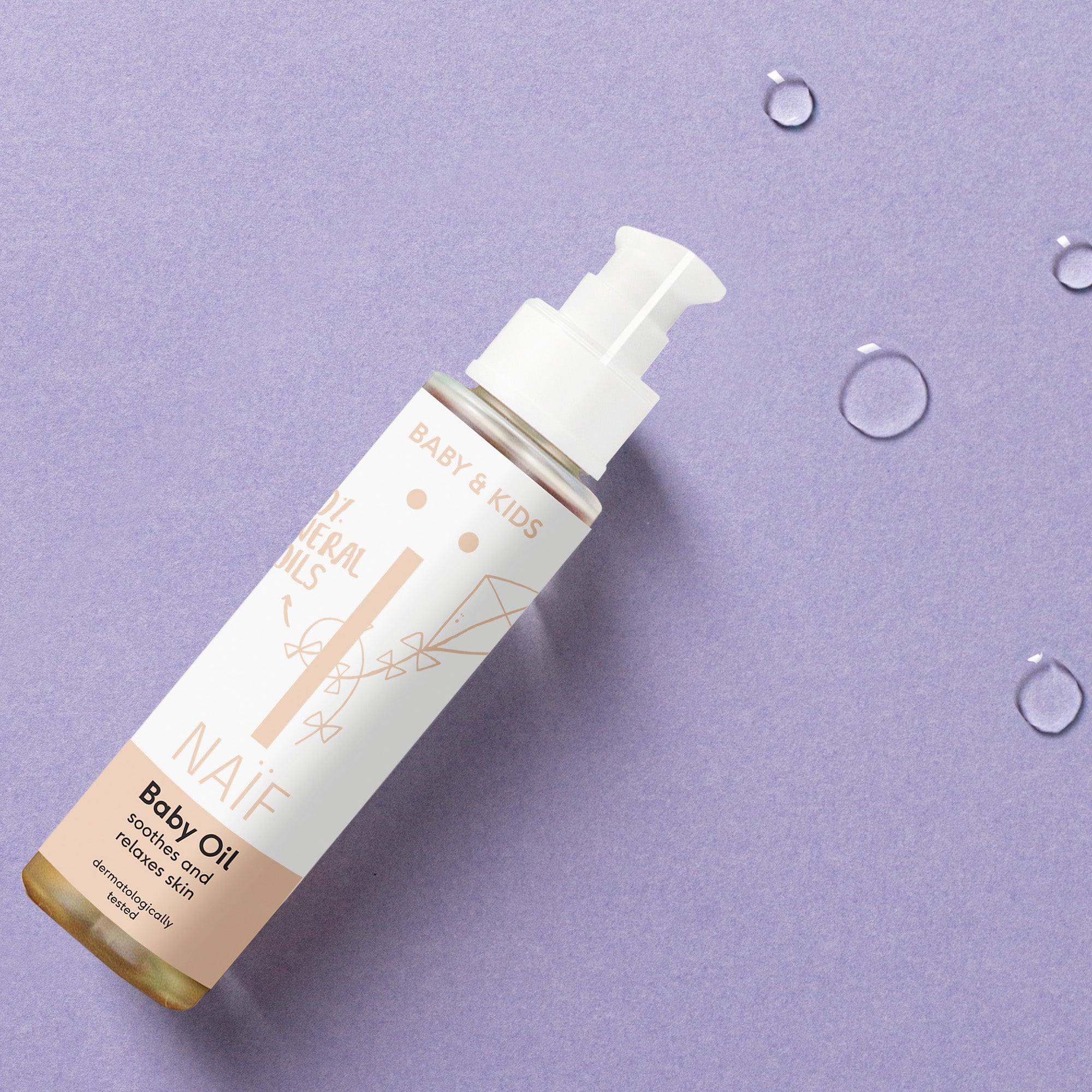

Baby powder without talc? That's Naïf!
Woohoo! We've got something new. Our baby assortment has expanded with a brand new product: baby powder! Well.. not that exciting you might think. But it is! You might know baby powder as talc powder. And that's one ingredient we left out. Because call us Naïf, but soft baby bottoms don’t deserve harsh ingredients. Baby powder without talcBaby powder without talc it is, but why? Recent research about talc show there are some negative side effects to the mineral. It even resulted in some discussions about regulations of the ingredient. Time for an alternative! Baby powder without talc.The negative side of talcAlright, about these side effects. Because it's quite something. In July 2024 the International Agency for Research on Cancer, also known as IARC, has shared their findings about talc powder. IARC is part of the World Health Organization (WHO), so that's a pretty big deal. A group of 29 experts did research on the mineral, which showed that there is some evidence that talc may be carcinogenic for humans. They looked at scientific literature from research on cancer in humans, animal testing and they found evidence of talc having carcinogenic properties. (Source: IARC)In September The European Chemicals Agency’s (ECHA) commission for Risk Assessment (RAC) classified talc as a 1B carcinogen. Which means the mineral can possibly cause cancer in humans. (Source: ECHA)You might understand why we would rather avoid this ingredient. But how do we create soft baby bums without talc then?What's in it?Instead of talc our baby powder is made from pure rice starch. It's a plantbased ingredient that absorbs moisture an is proven to help with diaper rash! Perfect for caring for the sensitive and moist skin in the diaper area. But all other places and skin folds where moisture can collect, like armpits and neck, can also use a little baby powder at times!
Learn more
Carefully crafted: the ingredients in our pregnancy range
Introducing: our new pregnancy range! Perfect for a relaxing me-time moment or to gift to someone expecting. Our brand new shower foam, body oil, belly balm and bath salt are especially formulated for the sensitive, pregnant skin. But what’s in it and why? We’re happy to highlight some ingredients for you. Squalane & Jojoba oil The Naïf Relaxing Body Oil and the Nourishing Belly Balm contain squalane and jojoba oil. Squalane supports the hydration balance of the skin and protects against dehydration. Jojoba oil nourishes deeply and strengthens the natural skin barrier, for optimal care during pregnancy. The hydrating function of the ingredients help with stretch marks. Stretch marks are caused by the rapid growth of your belly, skin tension, and genetic predisposition. Although they cannot be completely prevented, these products support your skin during these changes. Magnesium The Naïf Magnesium Bath Salt contains just one ingredient: bath salt! The high magnesium content creates a light and relaxing bath that even helps muscles relax and relieve pain. Many women suffer from pain and cramps (restless legs) during pregnancy and magnesium helps counteract these symptoms. Magnesium also has a calming function, which is why it can help you sleep better at night. Very helpful if you’re suffering from pregnancy insomnia or to prepare for those disturbed nights of sleep! Glycerin & Sodium Lactate The Naïf Caring Shower Foam is back! With the warming scent of jasmine and cedar wood, your shower transforms into a moment of relaxation. The ingredients glycerin and sodium lactate help cleanse and take care of your skin. Glycerin provides deep hydration and keeps skin soft and supple, while sodium lactate keeps your skin's natural moisture level balanced. That way you can enjoy a relaxing shower and skin that is taken care of.
Learn more
The science behind our sunscreen: zinc oxide explained
It will come as no surprise to you that our sunscreen contains a UV filter based on zinc oxide. This makes it a mineral sunscreen. We made the choice for zinc oxide very deliberately, because zinc oxide has many advantages! We therefore believe that sunscreen with a UV filter based on zinc oxide is the best option and we would like to explain to you why. First of all, mineral sunscreen then. But what about the non-mineral UV filter that we added to our formula this year as a booster? We believe in constantly innovating our products. As the first Dutch brand with mineral sunscreen, we take steps every year to develop the ideal sunscreen. This year we added this booster. It is important to know that our product contains roughly eight times more zinc oxide than Bis-ethylhexyloxyphenol methoxyphenyl triazine. Therefore, we can confidently say that zinc oxide is the main component of our UV filter. Do you want to know why we added this booster? You can read that here. We would also like to explain to you why we now believe in a non-mineral UV filter after all (and why we no longer talk about mineral vs chemical).In the field of sunscreen, we believe that zinc oxide is the best choice. Is it perfect? No, but we do think it is the least harmful. We are happy to explain why. It is a somewhat technical story, so bear with us.We consider zinc oxide the safest option because it breaks down into Zn2+ ions, which occur naturally in the sea. Is it completely safe? Well, everything we do has an impact, but we always strive for the least harmful option. Some studies have shown possible negative effects of zinc oxide on coral, algae and fish. But these studies suggest that the observed effects are more related to a local increase in the concentration of zinc ions than to the presence of zinc oxide itself.It is important to note that most studies use concentrations of zinc oxide that are much higher than what realistically could end up in the ocean. Real and realistic effects of zinc oxide on the environment, as well as exposure and risk matrices, have been extensively investigated. Even if we all start using zinc oxide and the concentration of zinc ions in the water naturally increases as a result, zinc oxide in sunscreen creams does not pose a threat to sea life. Our research suggests that it is still less harmful than the use of some other UV filters.Why we think zinc oxide is the best option:Zinc is a natural element with a complex cycle. It is present in soils and water, and the concentration varies naturally through natural events, the local ecosystem, interactions with other chemicals and physical parameters such as pH. Of course, human activities also influence the distribution of zinc on earth. Although we don't create zinc, we actively mine it and make it more available in our environment. Various industries use zinc or zinc-derived materials, such as mining, automotive industry, paint, cosmetics and pharmaceuticals. In 2023, cosmetics and pharmaceuticals represented approximately 10-12% of the global zinc oxide market. Zinc oxide is just one of the industrially used zinc sources. The impact of sunscreen creams on total human zinc use is relatively small, but we take this seriously and thoroughly investigate the potential risks of our sunscreen to the ecosystem.Various studies report an increase in zinc content in local waters and soils, with human activities seeming to play a role. Some analyses can show that part of the zinc increase in specific locations can be traced back to mining activities since the beginning of the industrial revolution, with virtually no impact from current activities. Zinc plays an important role in the physiological processes of most species, including humans.In investigating the role of zinc oxide and sunscreen creams, some studies have shown possible negative effects of zinc oxide on coral, algae and fish. These studies suggest that observed effects are more likely attributable to a local increase in the concentration of zinc ions as a result of zinc oxide breakdown in water, than to the presence of zinc oxide itself. From our literature review, we found that zinc oxide can have an impact on sea life, especially on species that are already sensitive to zinc. The form of the sunscreen (nano or non-nano zinc oxide) does not appear to affect these species more than other forms. The contribution to the local increase of zinc in soil and water is likely negligible compared to other industries, both in the past and now.Notably, many more studies have been conducted on the environmental effects of mineral sunscreens (75%) than non-mineral (25%), which may exaggerate negative conclusions about these filters. To get a complete and clear picture, it is important to also investigate other UV filters and their impact on the ecosystem.There are few UV filters active in the UVA1-range. Protection against UVA1 radiation is important because it contributes the most to long-term sun damage to the skin, including skin cancer. Therefore, sunscreens must contain some UVA1 filters to provide broad-spectrum protection, including: Avobenzone (Butyl Methoxydibenzoylmethane) Ecamsule (Terephthalylidene dicamphor sulfonic acid) – unique to L'Oréal due to patents Oxybenzone Octocrylene Zinc oxide BEMT (Bis-ethylhexyloxyphenol methoxyphenyl triazine) – new generation filter MBBT (Methylene bis-benzotriazolyl tetramethylbutylphenol) - new generation filter DHHB (Diethylamino hydroxybenzoyl hexyl benzoate) – new generation filter Each filter has its own specifications in terms of formulation and permitted maximum amount, which affects how many filters need to be added together to achieve the desired protection. Until now, only zinc oxide could be added alone as a broad-spectrum UV filter.AvobenzoneAvobenzone, or Butyl Methoxydibenzoylmethane, is the most common UVA1 filter in non-mineral sunscreens. Some studies show that this filter affects specific marine species and may have hormone-disrupting effects. A risk of avobenzone is its photo instability, which means it must be associated with other compounds to be stable, which can cause skin reactions. It is a synthetic molecule that bioaccumulates in the environment, meaning the concentration increases and is difficult to remove in our water treatment facilities. EWG reported that this ingredient was in the FDA's 2019 proposal to not list it as safe and effective due to existing results and lack of strong data.OxybenzoneOxybenzone, also known as benzophenone-3, is extensively studied for its role in coral bleaching and risk to some marine species. Therefore, since 2021, it has been included in Hawaii's ban to protect their coral reefs. It is also a synthetic molecule that bioaccumulates and is difficult to remove from our wastewater. It also has health issues, with it suspected of being a hormone disruptor. However, it is important to note that it has been assessed by the SCCS and declared safe within the conditions of use in sunscreen.OctocryleneOctocrylene is recently being investigated for an extension of the Hawaii ban. Some studies report accumulation and potential hormone-disrupting effects on some marine species. Recently, the SCCS published their opinion on octocrylene for human consumption and concluded that it is safe at the concentration in sunscreen, as the findings were not convincing enough.From our research into BEMT and DHHB, no health or environmental risks have been reported with use of this filter.BEMTOur literature review of BEMT showed no reported health or environmental risks with the use of this filter. It is a stable filter and remains on the skin due to its size, minimizing the risk of skin irritation. On its own it can already provide an SPF20 at maximum use, making it a suitable booster for other UVA filter protection. It is also expected to be approved by the FDA in 2025, which is known for its strict guidelines for accepting new UV filters, making BEMT the first new UV filter to be approved in the US in more than 20 years.From our initial screening of MBBT and DHHB, no reported health or environmental risks have emerged with the use of these filters. So far we have not conducted an in-depth investigation of MBBT and DHHB, but they are on our radar to determine our position on these two new filters. Our conclusionAfter carefully reviewing various options, we have had to make some compromises. Because protection against UVA1 is important, at least one of the UVA1 filters must be included in the formula. Based on our current knowledge and with an eye toward environmental and human safety, we have chosen not to use avobenzone, octocrylene and oxybenzone in our sunscreens. We have focused on zinc oxide as our best option.New generation filters such as BEMT and DHHB offer possibilities for hybrid formulas based on zinc oxide. Unfortunately, they cannot be used on their own for UVA protection, and therefore must always be combined with another UV filter. In our case, zinc oxide is therefore the only option.We do believe in hybrid sunscreen formulas with these new generation UV filters, because they don't penetrate the skin and are therefore suitable for sensitive skin. Based on the studies so far, they also show no harmful effects for humans and the environment. Zinc oxide-based sunscreen always needs a booster. Bis-ethylhexyloxyphenol methoxyphenyl triazine is known for its high effectiveness at low concentrations, making it popular for high SPF levels. It is also praised for its excellent photostability and because it improves the stability of other sunscreen ingredients. And that stability is precisely what matters with mineral sunscreen.We especially believe that we must continue to evolve and act with the knowledge we have now. This means we don't think there is one perfect way, but we can do our best every year to make the best choices with the knowledge available by then. That's what good care means to us, and we will always communicate this as transparently as possible.
Learn more